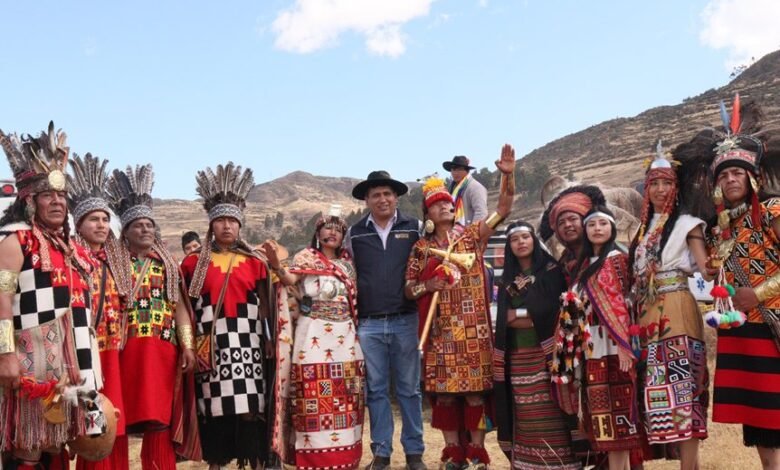
Picchaloca weaves heritage with today’s life, creating a living cultural thread that anchors memory and identity. It supports local economies through open spaces and craft markets, while inviting makers and patrons to share meaning and learn. The space fosters belonging and transparent networks, blending traditional craft with digital access. By adapting traditions for modern audiences without losing essence, it raises questions about trust, collaboration, and the future of community-driven culture—questions that demand further consideration.
What Picchaloca Is Today: A Living Cultural Thread
Picchaloca today stands as a living cultural thread, weaving past practices with contemporary expressions to form a recognizable, evolving identity.
It sustains craft heritage through mindful preservation, guiding urban revival by integrating open spaces and local artistry.
Community storytelling anchors memory, while digital engagement expands reach, inviting diverse participation.
The approach remains curious, analytical, concise, and oriented toward freedom-driven cultural agency.
How Picchaloca Fuels Local Economies and Craft Innovation
The Picchaloca ecosystem acts as a catalyst for local economies by channeling patronage toward nearby artisans, makers, and small businesses, thereby fortifying community resilience.
It reveals how Picchaloca monetization aligns incentives for sustainable craft, fostering networked supply chains and market transparency.
Picchaloca education cultivates skills, amplifies collaboration, and sustains innovation without compromising autonomy or freedom.
Picchaloca as a Space for Community and Belonging
A space emerges where local makers and patrons meet not merely to trade goods but to share meaning, stories, and mutual expectations.
Picchaloca operates as a nexus for community, where belonging deepens through shared projects, collaborative events, and open dialogue.
The environment blends commerce with innovation, sustaining trust, peer learning, and collective identity—a tested model for purposeful, freedom-minded social exchange.
Adapting Traditions for Modern Audiences and Digital Access
How do traditions evolve when audiences live online and expect instant access? Picchaloca models adaptation strategies by balancing heritage with digital immediacy, preserving meaning while broadening reach. The work examines how presentation, provenance, and participation shift, enabling authentic experiences. It emphasizes audience engagement, iterative curation, and accessible formats, fostering freedom through transparent choices, sustainable practices, and inclusive storytelling.
Frequently Asked Questions
How Is Picchaloca Funded Beyond Tourism and Markets?
Funding for Picchaloca beyond tourism and markets appears to derive from funding diversification and community governance initiatives, enabling local stewardship and resilience while inviting external partnerships, grants, and socially oriented investors—reflecting a curious, analytical, concise, freedom-seeking approach.
Who Are the Younger Generations Shaping Picchaloca’s Future?
Startlingly, 62% of participants cite younger generations as primary drivers; young innovators and community storytellers reshape Picchaloca’s path, blending tech and tradition. Their collaboration signals adaptive futures, where young innovators and community storytellers push inclusive, freedom-loving cultural entrepreneurship.
What Are the Environmental Impacts of Picchaloca Events?
Environmental impacts of Picchaloca events include waste generation and energy use, yet they showcase environmental stewardship through recycling, conservation efforts, and reduced emissions. They also foster community resilience by collaborative planning, local engagement, and adaptive responses to ecological concerns.
How Can Outsiders Respectfully Participate in Picchaloca?
Outsiders can pursue respectful participation through listening, observing rituals with consent, and seeking guidance from hosts. Outsider engagement should prioritize boundaries, cultural sensitivity, and reflective practice, avoiding appropriation while contributing support, resources, and curiosity in a measured, nonintrusive manner.
Which Policies Protect Picchaloca’s Intangible Heritage?
The policies protecting Picchaloca’s intangible heritage rely on strong policy protection and legal frameworks. Researchers note cultural preservation is advanced through transparent governance, community participation, and international conventions, shaping a curious, analytical, concise approach for audiences seeking freedom.
Conclusion
Picchaloca stands as a living thread binding heritage to contemporary life, weaving memory into daily urban rhythm. It fuels local economies, sparks craft innovation, and invites makers and patrons into transparent, collaborative networks. As a space for belonging, it strengthens identity while welcoming diverse voices through digital access and storytelling. In shaping adaptable traditions, Picchaloca sparks curiosity, invites scrutiny, and reveals how culture can evolve without surrendering core meaning—like a beacon guiding communities toward resilient, inclusive futures. A flame, thoughtfully shared.