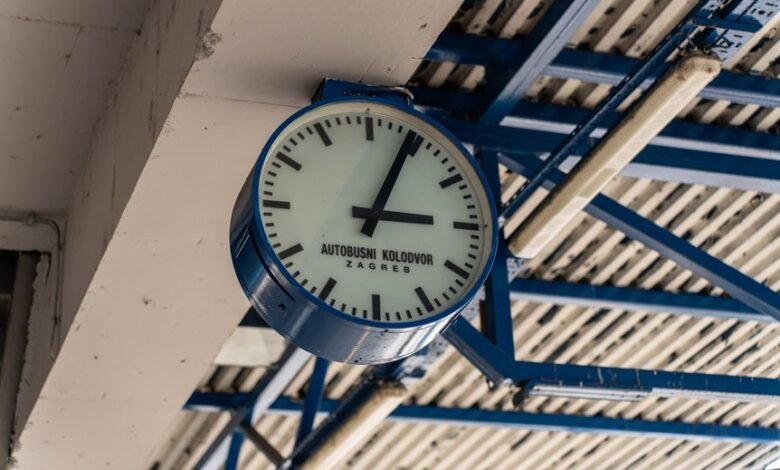
A Simple Guide to Departure Time Fight SD1555958A Step by Step offers a practical framework for travelers who want control over their morning routines and travel windows. It outlines a resilient, buffer-driven approach to connections and logistics. The method emphasizes calm transitions and quick wins at gates, check-in, and security, while prepared responses to disruption. The premise invites a closer look at how disciplined timing can sustain momentum, leaving readers curious about concrete steps that follow.
What Departure Time Fight SD1555958A Is and Why It Helps You
Departure Time Fight SD1555958A refers to a method or framework designed to optimize scheduling by prioritizing departure times that align with efficiency, reliability, and resource use.
It frames a departure strategy that balances control with flexibility, appealing to travelers seeking autonomy.
Travel psychology informs choices, reducing anxiety and enhancing perceived freedom as routines align with practical, value-driven decisions.
Build a Time-Buffer Plan: Mornings, Travel Windows, and Connections
To build an effective time-buffer plan, travelers map out mornings, travel windows, and connections with deliberate precision, ensuring cushion for delays and shifts in pace.
Departure planning becomes a flexible framework, not rigidity.
A thoughtful buffer strategy preserves momentum, reduces stress, and sustains autonomy.
The approach balances ambition with realism, inviting freedom through measured pacing and resilient itinerary design.
Practical Steps to Gate Delays, Check-In, and Security Quick Wins
From refining the time-buffer strategy in the previous section, the focus shifts to practical steps that keep a traveler’s pace steady through gate delays, check-in lines, and security checkpoints.
A clear departure strategy emerges, emphasizing quick prep, time management, and checkpoint tips.
Streamlined routines, mobile boarding, and calm transitions reduce friction, enabling freedom-seeking travelers to preserve momentum.
Troubleshooting and Optimization: When Things Go Off Schedule
When schedules derail, a calm assessment becomes the traveler’s most valuable tool: identify which segment ran late, estimate the delay, and map a minimal-rework path to regain momentum.
The discussion centers on troubleshooting and optimization, highlighting departure planning strategies, quick recalibrations, and practical choices.
Focused on travel efficiency, this approach preserves momentum, reduces chaos, and restores autonomous, freedom-minded flow through imperfect timelines.
Frequently Asked Questions
How Do I Calculate My Ideal Departure Window?
How to calculate the ideal Departure window:Analyze trip duration, buffer time, and airport variability; consider peak vs off-peak, security wait times, and travel contingencies. Departure window emerges when margins align with personal freedom and reliability. Unrelated topic, Flight delays.
What if My Flight Is Anticipated to Be Delayed?
A flight delay disrupts plans, but preparation persists as the traveler adapts; the notice informs potential gate changes, reshaping routes and timing while maintaining calm, focused perspective. They seek alternatives, remain flexible, and pursue smoother onward progress.
Which Apps Best Track Evolving Gate Changes?
The scene shifts: screens glow, gates loom, and evolving gate changes ripple across departure planning. The apps best tracking these updates blend real-time alerts and maps, empowering travelers seeking freedom to navigate ever-changing routes with clarity.
Can I Request Seat Changes for Smoother Connections?
Yes, one can request seat changes to aim for smoother connections, balancing ideal departure with time windows and gate changes, while noting security waits. The strategy favors flexibility, proactive airline contact, and clear emphasis on preferred seating for smoother connections.
How Do I Budget Time for Unexpected Security Waits?
A traveler’s clock pauses like a river stone; a three-hour buffer handles security delays. They plan buffer, handling security delays, accounting for variability, and aim for flexible connections, budgeting time with calm, purposeful foresight and practical margins.
Conclusion
In the quiet hours before departure, the plan forms a patient rhythm—mornings aligned with travel windows, buffers woven around each checkpoint. When the first hiccup arrives, choices narrow to a few deliberate steps, each one preserving momentum rather than halting it. A door clicks shut, another opens just as the clock nudges forward. With calm, the traveler recalibrates, safeguards intact, and the journey presses on, edge sharpened by anticipation, until the next moment demands its own tense, inevitable turn.