Anttavasana offers a steady anchor in a culture of constant inputs. In busy environments, deliberate stillness and controlled breathing reduce autonomic reactivity and cognitive load. The practice promotes present-focused awareness that softens emotional reactions and supports clearer decisions under pressure. It builds practical resilience for meetings and negotiations without demanding large blocks of time. The question remains: how can such a simple shift reshape daily interactions when stakes are high and pace never stops?
What Anttavasana Is and Why It’s Needed Now
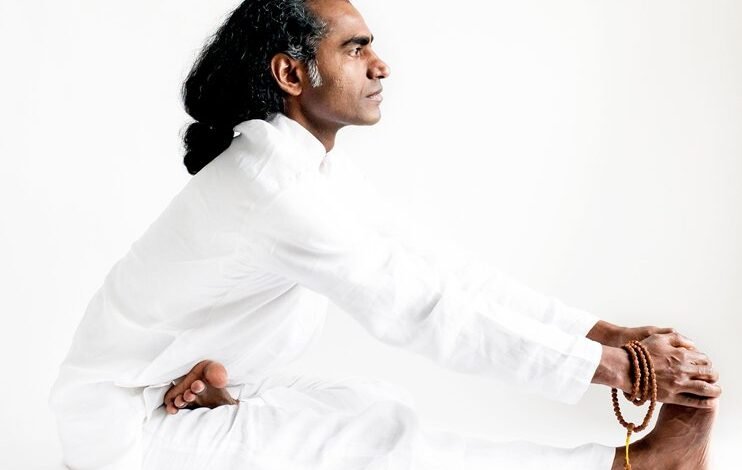
Anttavasana, a practice rooted in stillness and controlled breath, is often mischaracterized as merely a resting pose. It cultivates mindful stillness and nonjudgmental awareness, offering a deliberate pause that supports recovery, focus, and resilience.
In today’s fast-paced context, this practice provides a kinder, evidence-informed foundation for autonomic balance, helping practitioners approach daily challenges with clarity, compassion, and sustained freedom.
The Science of Present-Mocused Thinking in a Busy World
In a world that prizes speed and multitasking, present-focused thinking emerges as a practical cognitive mode rather than a fleeting trend.
Empirical findings show the present moment reduces cognitive load and emotional reactivity, while attention training buffers impairment from cognitive bias.
This evidence supports deliberate pacing, enabling freedom-oriented choices even amid bustle, stress, and competing demands.
Anttavasana in Practice: Daily Routines That Build Focus
Anttavasana can be integrated into daily routines through small, consistent practices that cumulatively sharpen focus. In practice, brief, regular sessions cultivate focus alignment without overwhelm, supporting sustainable attention. The approach favors habit integration over drastic changes, promoting practical discipline rather than perfection. Results emerge through steady implementation, measurable milestones, and reflective adjustments that honor personal tempo and evolving goals.
Anttavasana for Work, Relationships, and Decision-Making
For work, relationships, and decision-making, Anttavasana practice translates into steadier attention during meetings, negotiations, and daily interactions. The approach enhances concise reflection after conversations and before decisions, guiding calmer, more intentional responses.
Practical cues—breathing rhythms, posture checks, brief mental audits—support clarity without coercion. It respects autonomy, fostering freedom while anchoring trustworthy, evidence-based choices in collaborative settings.
Frequently Asked Questions
How Long Does an Anttavasana Session Take?
Anttavasana sessions typically last 5 to 15 minutes, depending on practitioner comfort and goals. Short breath and calm focus characterize the practice, encouraging grounded awareness. Evidently, consistency matters more than duration for progressive, empathetic self-regulation and freedom.
Can Children Benefit From Anttavasana Practice?
Recent studies show children’s mindfulness improves with structured practice, and Anttavasana can help; parental participation enhances consistency. The practice is evidence-based, empathetic, and clear-eyed, offering freedom through calm attention and steady breathing for young participants.
Is Anttavasana Suitable for Beginners With Anxiety?
Anttavasana can be suitable for beginners with anxiety, when practiced with gentle breath and a grounding posture. It offers calm activation without overload, supporting nervous system regulation while maintaining clear-eyed, evidence-based guidance for individuals seeking personal freedom.
How Does Anttavasana Interact With Other Therapies?
Anttavasana interacts with mindfulness practices by reinforcing breath awareness, and with physical therapy through alignment cues. Example: a bipolar case study shows integrated sessions reduce tension and enhance proprioception. The approach remains evidence-based, empathetic, and respectfully supports personal freedom.
What Are Common Mistakes When Starting Anttavasana?
Common mistakes when starting anttavasana include rushing into posture, neglecting breathwork, and ignoring alignment cues; beginner pitfalls often involve overexertion or discomfort tolerance, leading to injury rather than insight. The approach remains clear-eyed, empathetic, and evidence-based for freedom-focused practitioners.
Conclusion
In a world governed by speed, Anttavasana offers a deliberate pause. It cultivates present-mocused awareness, eases automatic reactions, and steadies attention. It reduces cognitive load while sharpening decision quality, especially under pressure. It supports emotional regulation, fosters empathetic engagement, and enhances interpersonal clarity. It fits into busy schedules, builds resilience, and sustains reliable action. It aligns science with practice, evidence with experience, and calm with consequence. It matters now, it matters always, it matters as a practice that sustains performance.