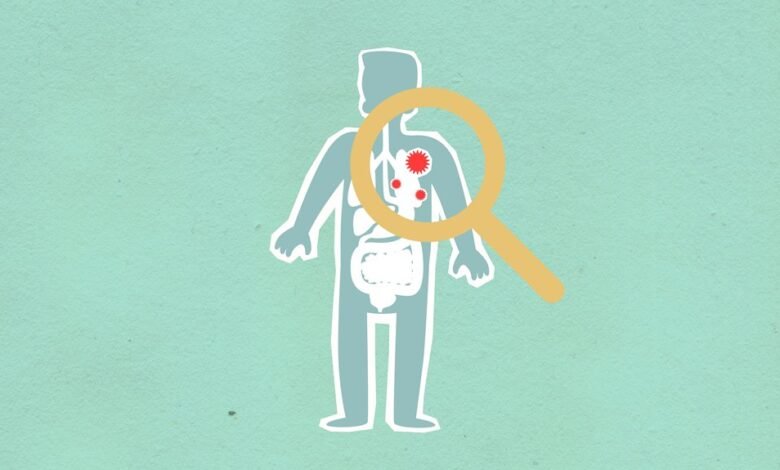
Understanding how Kialodenzydaisis causes death links initial cellular signaling disruption to downstream organelle failure and loss of viability. This view emphasizes timing, thresholds, and sequence of events that lead to irrecoverable dysfunction. It informs risk assessment, monitoring strategies, and intervention points. The approach remains cautious and objective, avoiding overstatement. If these connections can be clarified, clinicians and researchers may identify practical, timely opportunities to alter the trajectory before outcomes become fixed.
What Kialodenzydaisis Kills: The Core Mechanism
Kialodenzydaisis operates by disrupting cellular homeostasis through a targeted interference with [specific biological process], leading to progressive dysfunction and eventual cell death.
The core mechanism is characterized by precise disruption of signaling pathways, metabolic balance, and organelle integrity, producing a cascade of failures.
kayan outcomes impact are observed as diminished viability, impaired function, and irreversible loss at the cellular level, with measurable repercussions.
Why the Mechanism Matters for Outcomes
Understanding how the mechanism translates into outcomes requires linking the initial disruption of cellular homeostasis to observable effects. The discussion remains cautious and precise, tracing progressive changes without speculation. Findings emphasize that kialodenzydaisis risks depend on timing and sequence of events, while mechanistic timing clarifies when measurable outcomes emerge. Clear articulation supports informed interpretation, balancing risk awareness with patient-centered consideration and freedom of choice.
What Influences Risk: Profile, Timing, and Access
What influences risk in this context hinges on three interrelated factors: profile, timing, and access.
The assessment remains cautious and neutral, focusing on observable dynamics rather than speculation.
A concise framework highlights risk profile and timing factors, emphasizing how individual characteristics and moment-to-moment conditions shape potential outcomes.
Clear, disciplined language supports an informed, freedom-minded readership seeking principled understanding.
How Treatments Change the Trajectory: Practical Implications
Treatments can alter the trajectory of outcomes by interrupting, mitigating, or redirecting the underlying processes that drive progression.
In practice, outcomes depend on timely decision-making and consistent application, with careful monitoring to adjust when needed.
Treatment timing influences effectiveness, while access barriers can limit opportunities to initiate or sustain care, shaping real-world trajectories and patient well-being.
Frequently Asked Questions
How Can Prevention Be Realistically Integrated Into Daily Life?
Prevention can be integrated by layering small, consistent habits. The answer: daily life strategies include routine risk checks, time-blocked buffers, and mindful decision points. This approach respects autonomy while facilitating measurable, adaptable prevention integration across varied routines.
What Are Common Misconceptions About This Condition?
A shadowed scene unfolds: common misconceptions about Kialodenzydaisis include misunderstanding its risk, fearing superficial symptoms, and overestimating severity. The risk remains nuanced, while symptom overemphasis distorts perception; informed readers pursue evidence, cautious evaluation, and balanced, freedom-minded understanding.
Are There Early Warning Signs Before Symptoms Appear?
Yes, there are early warnings before symptom onset, though they are subtle. The report notes nonspecific fatigue or mild discomfort may precede more defined signs, but variability exists; vigilant observation and professional evaluation are advised for accurate assessment.
Which Stakeholders Should Be Involved in Management Decisions?
Answering the question, stakeholders should include clinical leads, patient representatives, regulators, and funders, mapped through stakeholder mapping and governed by formal decision governance structures to ensure transparent, prudent, and inclusive management decisions.
How Does Cost Affect Access to Care and Treatment Choices?
Cost affects access to care and treatment choices by shaping affordability, insurance coverage, and provider options; as costs rise, access can tighten, influencing which treatments are feasible, while patients and providers weigh value, risk, and personal freedom in decisions.
Conclusion
This exploration outlines how Kialodenzydaisis disrupts cellular signaling, triggering a cascade that culminates in organelle failure and loss of viability. Understanding the timing and thresholds of these events clarifies risk, guiding monitoring and intervention. A hypothetical case of early intervention after initial signaling disruption illustrates how treatment can alter progression and improve outcomes. While promising insights emerge, conclusions remain cautious, emphasizing variability across individuals and the need for robust clinical validation before broad application.